
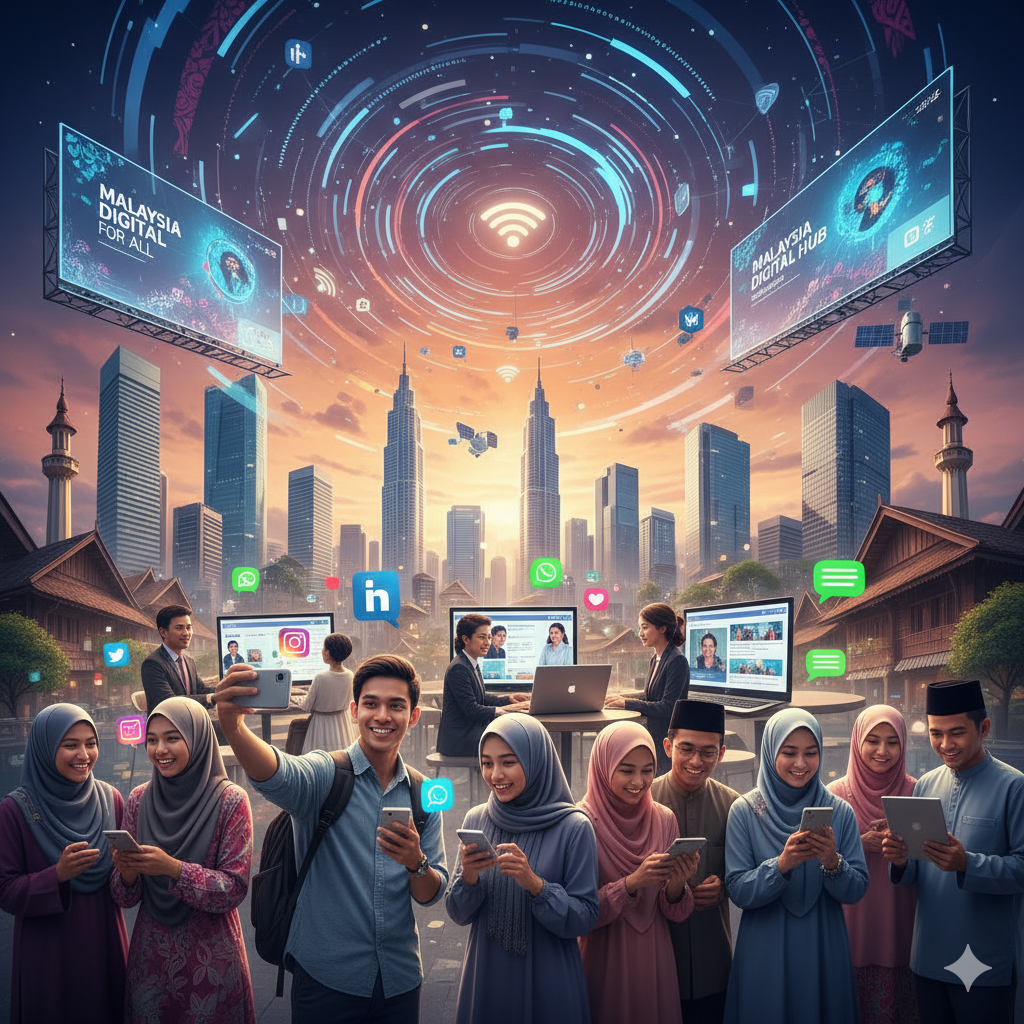
In Malaysia’s rapidly evolving digital landscape, understanding how different demographic groups interact with social media has become crucial for businesses seeking meaningful connections with their audiences. With 28.68 million social media users representing 83.1% of the population [4], Malaysia stands as one of Southeast Asia’s most digitally engaged nations. However, beneath these impressive statistics lies a complex tapestry of demographic differences that shape consumer sentiment and behavior in distinct ways.
The Malaysian Digital Demographics
Malaysia’s social media landscape in 2024-2025 presents a fascinating study in diversity. The country’s 28.2 million active social media users spend an average of 2 hours and 48 minutes daily on social platforms [5], but this behavior varies significantly across age groups, genders, and geographic locations.
The demographic breakdown reveals compelling patterns. Among Meta’s advertising audience, the 25-34 age groups dominates with 17.9% male and 15% female users [4], while the 18-24 demographic follows closely with 11.6% male and 12.9% female representation. This youth-centric engagement creates unique opportunities for brands to leverage social listening tools like KommonPoll to capture nuanced sentiment differences across generations.
Platform Preferences across Demographics
Different demographic groups in Malaysia exhibit distinct platform preferences that directly impact consumer sentiment. Facebook maintains 22.5 million active users [4], with users aged 35+ now constituting 58% of its Malaysian user base. This demographic shift indicates that older Malaysians gravitate toward Facebook for community building and information sharing, expressing sentiments that often reflect more traditional values and purchasing considerations.
In contrast, TikTok has emerged as the fastest-growing platform, reaching 18.5 million active users in 2025[4]. Notably, TikTok’s influence extends beyond teenagers, with substantial growth among users aged 25-40. This platform generates 38 hours and 49 minutes of monthly engagement [4], making it a goldmine for social listening efforts targeting younger, more dynamic consumer segments.
WhatsApp dominates as the most widely used platform with 90.7% monthly usage among users aged 16-64[4], though its primary function remains communication rather than content consumption. Instagram captures 77% of users [4], positioning itself as crucial for brands targeting millennials and Gen Z with visually appealing products.
Gender Differences in Social Media Behavior
Research from Malaysian universities reveals intriguing gender dynamics in social media usage. While 55.7% of social media user identities are male[4], studies show that women globally are more engaged in social networking, spending more time on platforms, though this gap narrows for younger demographics.
However, a significant finding from academic research indicates that female respondents demonstrate similar activities and motivations as male respondents when using social media via mobile phones. This challenges conventional assumptions about gender-based differences and suggests that demographic targeting should consider more nuanced factors beyond simple gender categorization.
Geographic Divides
Urban vs. Rural Sentiment
Malaysia’s connectivity reveals meaningful differences between urban centers like Kuala Lumpur and rural regions. Urban users engage with 7.3 platforms on average, compared to 5.6 for rural users [5]. This digital divide extends beyond mere access, influencing content preferences, peak usage times, and consumer sentiment patterns.
Social listening tools must account for these geographic variations. Urban consumers typically express more immediate responses to trends, demonstrate higher social commerce adoption rates, and show greater openness to innovative products. Rural consumers, while increasingly connected, often express more traditional values and require different engagement strategies to build trust and loyalty.
Generational Insights through Social Listening
Gen Z (The Digital Natives)
Gen Z Malaysians spend an average of 4.1 hours daily on social platforms [5], predominantly on TikTok, Instagram, and YouTube. An impressive 78% report discovering new brands through social media in the past month [5]. Their sentiment expressions tend toward authenticity, values-driven content, and interactive formats like challenges and polls.
Social listening for this demographic requires monitoring visual platforms and understanding their preference for user-generated content. They show the highest engagement with participatory content and express sentiments that reflect social consciousness and environmental awareness.
Millennials (The Economic Powerhouse)
With the highest purchasing power among social media demographics, Malaysian millennials represent the most valuable audience for social commerce. They demonstrate platform diversity, actively engaging across Instagram, Facebook, YouTube, and LinkedIn. 68% of Malaysian social media users have purchased via social platforms [5], with millennials leading this trend.
Their consumer sentiment often reflects a balance between traditional values and digital innovation. They respond particularly well to educational content and detailed product information delivered in engaging formats, making them ideal targets for comprehensive social listening campaigns that track purchase intent and brand loyalty.
Gen X (The Overlooked Segment)
While sometimes overlooked, Gen X represents significant value on Facebook and YouTube. They demonstrate the highest brand loyalty when engaged through social channels, and 52% have made purchases through social platforms in the past year [5]. Their sentiment expressions tend toward practical benefits, value propositions, and established brand relationships.
Mobile-First Behavior and Its Impact on Sentiment
Malaysia’s mobile penetration rate stands at 129.2%, with 44.55 million cellular mobile connections [4], exceeding the total population. With 93% of social media users accessing platforms via mobile devices [4], understanding mobile-specific sentiment becomes crucial.
Research indicates that Malaysian consumers use mobile phones for an average of 5 hours and 6 minutes daily [4], with entertainment applications accounting for 39.8% of smartphone time and social media apps consuming 26.7%. This mobile-first behavior influences sentiment expression, favoring short-form content, immediate reactions, and visual communication over text-heavy formats.
Cultural and Ethnic Considerations
Malaysia’s multi-ethnic society comprising Malay, Chinese, Indian, and other communities requires culturally sensitive social listening strategies.
Effective social listening must account for language variations, including Bahasa Malaysia, Mandarin, Tamil, and colloquial variations. Cultural nuances significantly impact sentiment expression, with different communities showing varying levels of directness, emotional expression, and brand interaction styles.
Leveraging Social Listening for Business Success
To effectively analyze demographic differences in consumer sentiment, businesses should:
Implement Multi-Platform Monitoring: Track sentiment across platforms where different demographics congregate. Don’t assume Facebook insights apply to TikTok audiences or vice versa. KommonPoll’s cross-platform monitoring capabilities enable businesses to track conversations and sentiment patterns across multiple social channels simultaneously, providing a comprehensive view of how different demographic groups engage with brands across their preferred platforms.
Deploy AI-Powered Analytics: Modern social listening tools can identify sentiment patterns across demographic segments, detecting subtle differences in emotional tone, purchase intent, and brand perception that human analysis might miss.
Consider Context and Timing: 62.9% of Malaysian internet users conduct brand research before buying[4], up 5% from the previous year. Understanding when and how different demographics research products reveals critical sentiment patterns.
Segment by Behavior, Not Just Demographics: While age and gender provide initial segmentation, behavior-based clustering such as content creators versus consumers often reveals more actionable sentiment insights.
Monitor Local Events and Trends: Malaysian social media sentiment responds strongly to local holidays, regional events, and cultural celebrations. Social listening tools should flag these contextual factors that influence sentiment across demographic groups.
The Future of Demographic Sentiment Analysis
As Malaysia’s digital landscape continues evolving, emerging technologies like augmented reality filters and social audio platforms create new avenues for sentiment expression. 48% of Malaysian social media users have engaged with AR features in the past month [5], indicating growing comfort with immersive technologies that may revolutionize how different demographics express consumer sentiment.
The integration of AI and advanced analytics promises more sophisticated demographic sentiment analysis, identifying micro-segments within traditional demographic categories and predicting sentiment shifts before they become apparent through conventional metrics. KommonPoll is at the forefront of this evolution, offering AI-driven sentiment analysis that helps brands identify emerging trends and demographic-specific patterns before they reach mainstream awareness, giving businesses a competitive edge in Malaysia’s fast-paced digital market.
Understanding demographic differences in consumer sentiment across Malaysia requires more than surface-level statistics it demands deep, continuous social listening that accounts for platform preferences, cultural nuances, generational behaviors, and geographic variations. With 85% social media penetration and 3.2 hours daily usage [5], Malaysia’s digitally engaged population offers rich opportunities for brands that invest in sophisticated sentiment analysis.
By leveraging KommonPoll’s advanced social listening capabilities to capture these demographic nuances, businesses can develop targeted strategies that resonate with specific audience segments, building authentic connections that drive engagement, loyalty, and ultimately, commercial success in one of Southeast Asia’s most dynamic digital markets.
References
1.https://www.meltwater.com/en/blog/social-media-statistics-malaysia
2.https://hashmeta.com/blog/social-media-landscape-malaysia-key-statistics-platforms-you-need-to-know/
4.Social Media Statistics for Malaysia [Updated 2024]
5.Social Media Landscape Malaysia: Key Statistics & Platforms You Need to Know | Hashmeta